“The Day the Storefront Went Digital” — A 2026 Business Story

In late 2023, Meera owned a boutique fashion store in Kochi. She had loyal customers, beautiful collections, and word-of-mouth buzz in her neighborhood. But something curious began to happen: customers started browsing trends online before stepping into stores.

One morning, Meera logged into her shop’s website analytics and saw something striking — over 80% of traffic came from mobile searches, many from people who had never visited her physical store. She realized that people were discovering brands online long before visiting them in person.

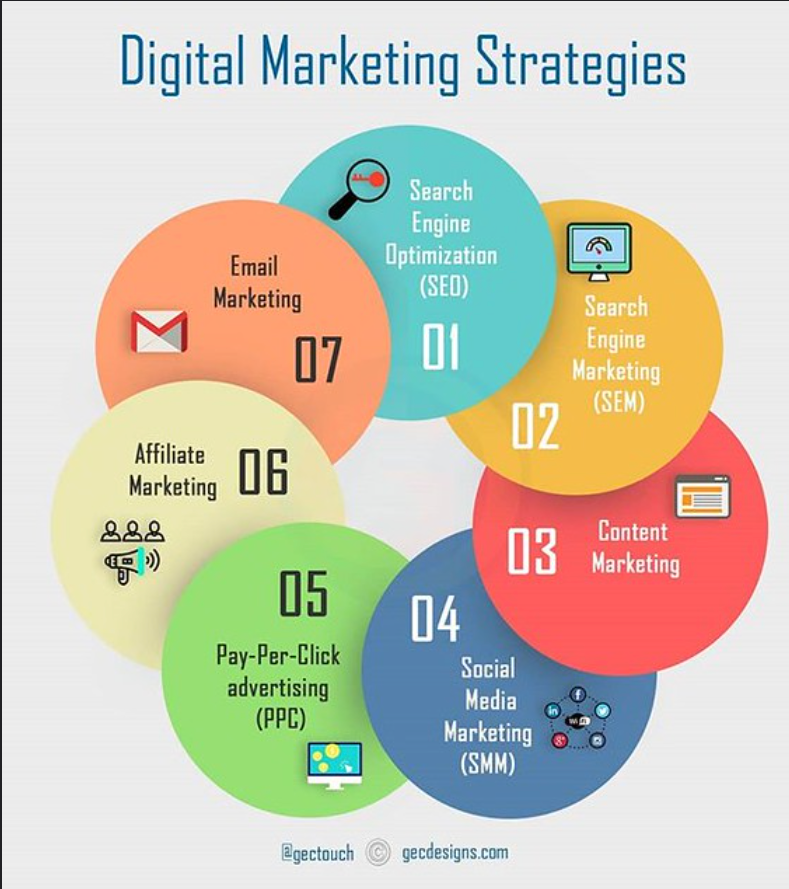
By mid-2026, after she invested in a targeted digital strategy involving SEO, social media ads, and email campaigns, her website traffic grew by over 150%, conversion rates improved, and in-store footfall increased — all because her customers were finding her brand where they now live most of their lives: online.

This blend of data, strategy, and visibility turned digital marketing from a nice-to-have to a business essential.

 1.What exactly is digital marketing, and why is it so vital in 2026?

Digital marketing refers to the use of online channels  such as search engines, social media, email, websites, and mobile apps to reach and engage customers.

In 2026, this is essential because consumers increasingly search, discover, compare, and buy online before stepping into a store or making a purchase decision in person.

 Key data:

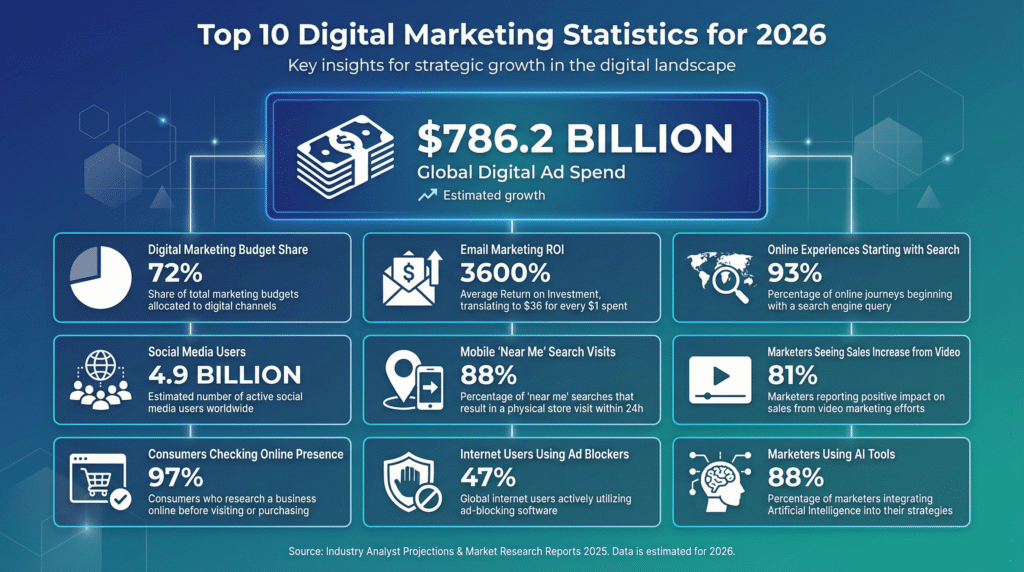
  • 93% of all online experiences begin with a search engine. This means most potential customers start their buying journey online. (Medium)
  • Businesses that blog and publish content regularly generate 67% more leads than those that do not. (Medium)

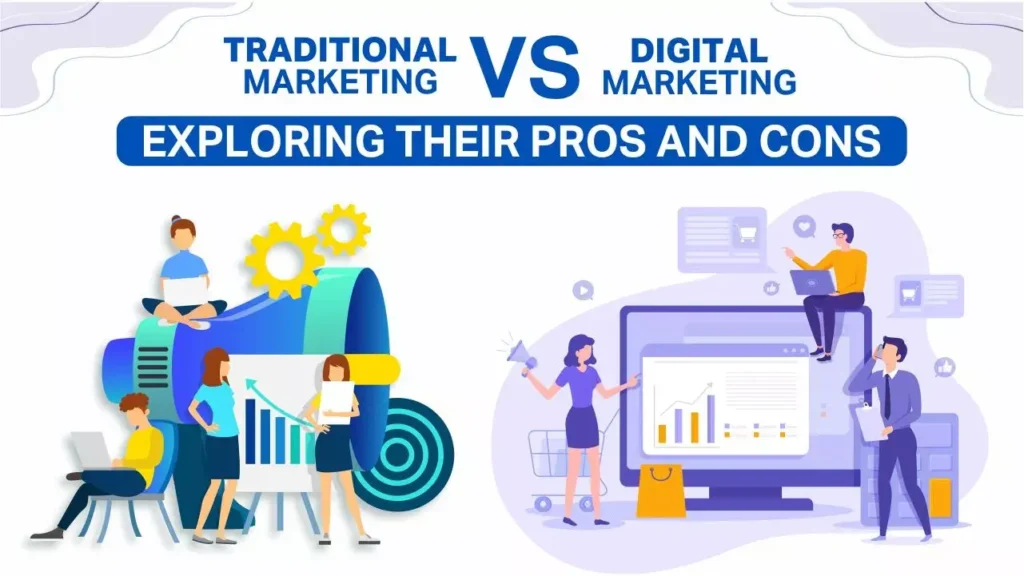
2.What benefits does digital marketing offer that traditional marketing doesn’t?

 Reach and Visibility

Digital channels allow businesses, regardless of size, to reach global and hyper-local audiences anytime.

 Measurable, Data-Driven Decisions

Unlike print, radio, or TV ads, digital marketing offers real-time analytics across all campaigns. Businesses can instantly track performance and optimize strategy. (Impact Digital Marketing Institute)

 Better ROI & Cost-Effectiveness

Digital marketing is more cost-efficient than traditional marketing channels. It allows businesses to set flexible budgets and pay only for desired outcomes (like clicks or conversions). (Impact Digital Marketing Institute)

For example, small and mid-sized businesses often allocate 5–12% of revenue to digital marketing budgets to balance visibility and ROI effectively. 

3.Why is mobile and digital content especially important now?

Smartphones and internet usage dominate customer behavior:

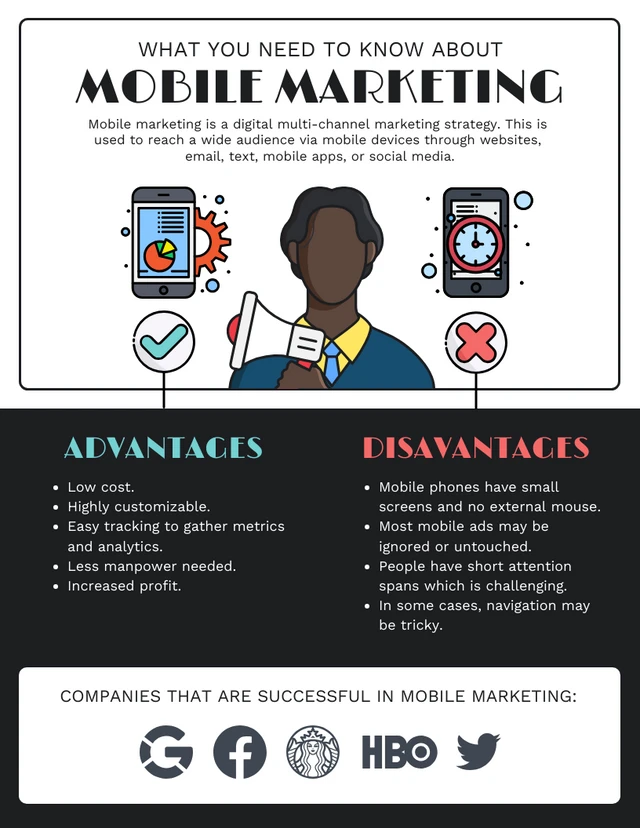
 Over 78% of India’s digital advertising spend comes from mobile platforms — affirming that consumers are discovering brands, watching videos, and engaging with content on phones. (Ipsos)

 Regional and vernacular content — content in local Indian languages — significantly boosts engagement, with over 73% of internet users consuming regional language media. (India Digital AdvtgMobile-first, vernacular-rich content has become a strategic focus for brands that want relevance across India’s diverse markets.


4.How does digital marketing help build customer relationships and long-term loyalty?

Digital marketing is not just about visibility — it’s about engaging with audiences meaningfully:

✔ Social media provides direct engagement, helping brands create communities and respond in real time. (Medium)
✔ Email marketing delivers some of the highest ROI — on average up to $42 for every $1 spent. (Medium)
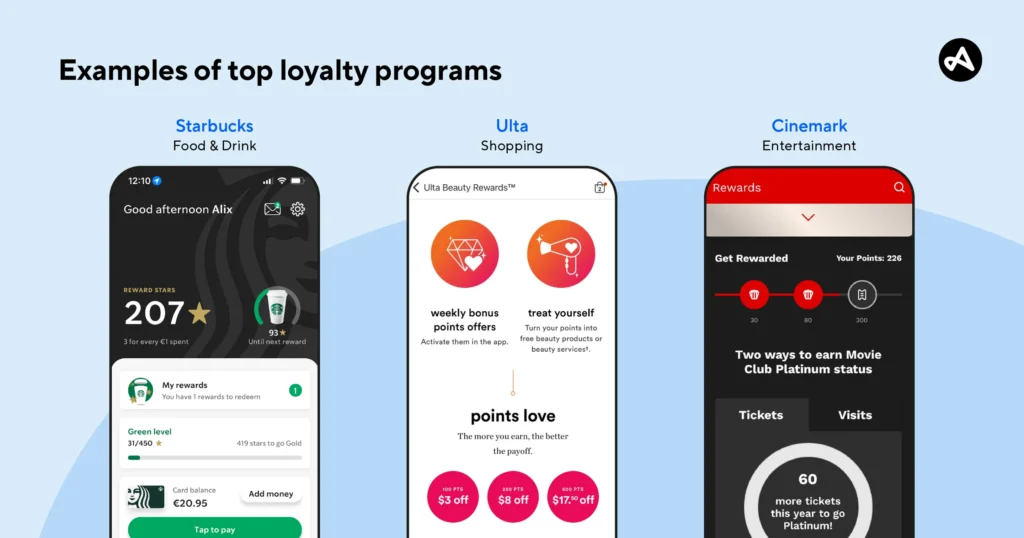
✔ Personalized content improves customer satisfaction and likelihood of repeat purchase. (articles.abilogic.com)

This direct engagement fosters brand trust and loyalty, which is crucial to sustained business growth.

5.Is digital marketing essential for small and medium businesses too?

Absolutely. Digital marketing levels the playing field for businesses of all sizes.

📌 More affordable digital channels (social ads, SEO, email campaigns) allow small players to reach highly targeted audiences without massive budgets. (Impact Digital Marketing Institute)

📌 India’s MSMEs are increasingly adopting digital tools and reporting tangible business growth because of digital adoption including smartphone and UPI tools. Over 73% report growth enabled by digital adoption. (The Economic Times)
 

6.What role does technology (AI, automation, analytics) play?

Technologies like AI and automation are no longer futuristic — they’re mainstream marketing tools:

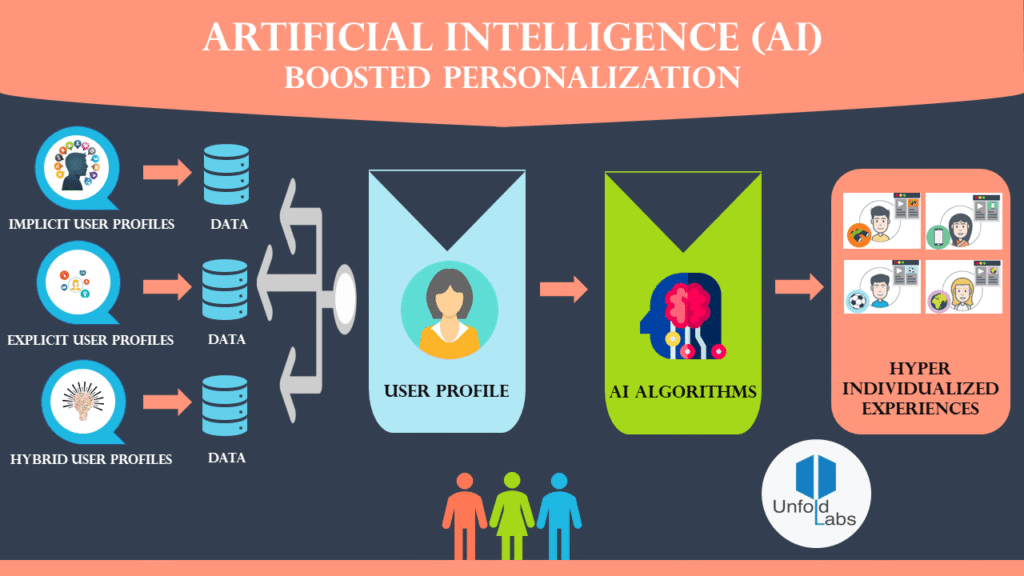
AI enables personalized content recommendations and predictive targeting. (nuevadigital.co.in)

 Automation speeds up campaign delivery and management. (nuevadigital.co.in)

Analytics help businesses adjust and re-optimize strategies in real time. (nuevadigital.co.in)

These tools help businesses work smarter, not harder, and deliver the right messages to the right audiences faster.

7.How big has digital marketing become globally and in India?

Digital marketing’s economic footprint continues to expand rapidly:

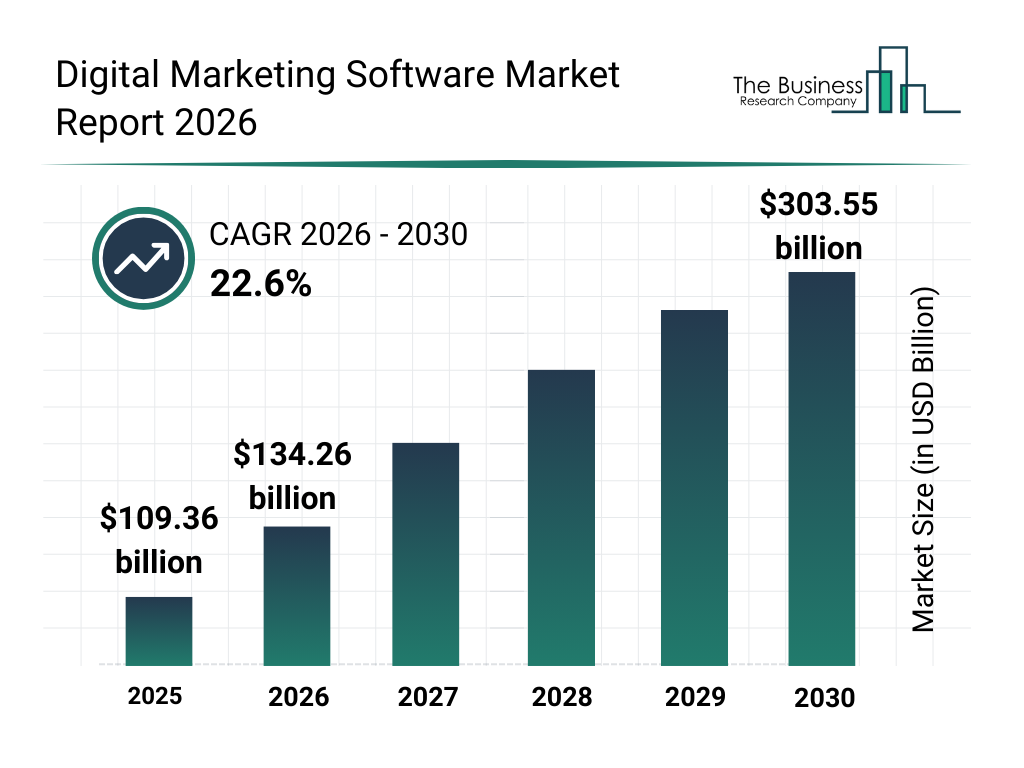
 Globally, digital ad spending is projected to exceed $734.6 billion, with digital channels dominating modern advertising.

    In India:

  • Digital advertising now represents an increasingly dominant share of total ad spending, and is projected to grow 15% in FY 2026 to ₹56,400 crore (around 46% of all advertising). (Ipsos)
  • The share of digital marketing in overall marketing spend is forecast to continue rising through 2026. (Statista)

Conclusion: Digital Marketing Isn’t Optional — It’s Essential in 2026

Here’s why digital marketing matters now more than ever:

✔ Consumers search and discover online first. (Medium)
✔ The digital ad market continues strong growth. (Ipsos)
✔ Digital offers measurable, cost-effective campaigns. (Impact Digital Marketing Institute)
✔ Mobile and regional content drive engagement. (India Digital Advtg)
✔ Tech-driven personalization and AI create long-term customer relationships. (nuevadigital.co.in)